Uneven ride height
A trailer that sits unevenly may have a spring, equalizer, loading, axle, or related suspension concern that needs inspection.
Trailer Suspension Guide
Recognize common suspension warning signs and understand when inspection, repair, or an upgrade may be appropriate.
Recognize the Signs
Trailer suspension problems may show up in ride height, tire wear, movement, noise, bouncing, or visible damage. A broken spring is obvious; worn shackles, wet bolts, equalizers, hangers, and alignment-related concerns can be easier to miss without a hands-on inspection.
Ramblin’ Man RV’s certified technicians inspect, maintain, repair, and install approved suspension upgrades for towable RVs at safe, permitted mobile-service locations.
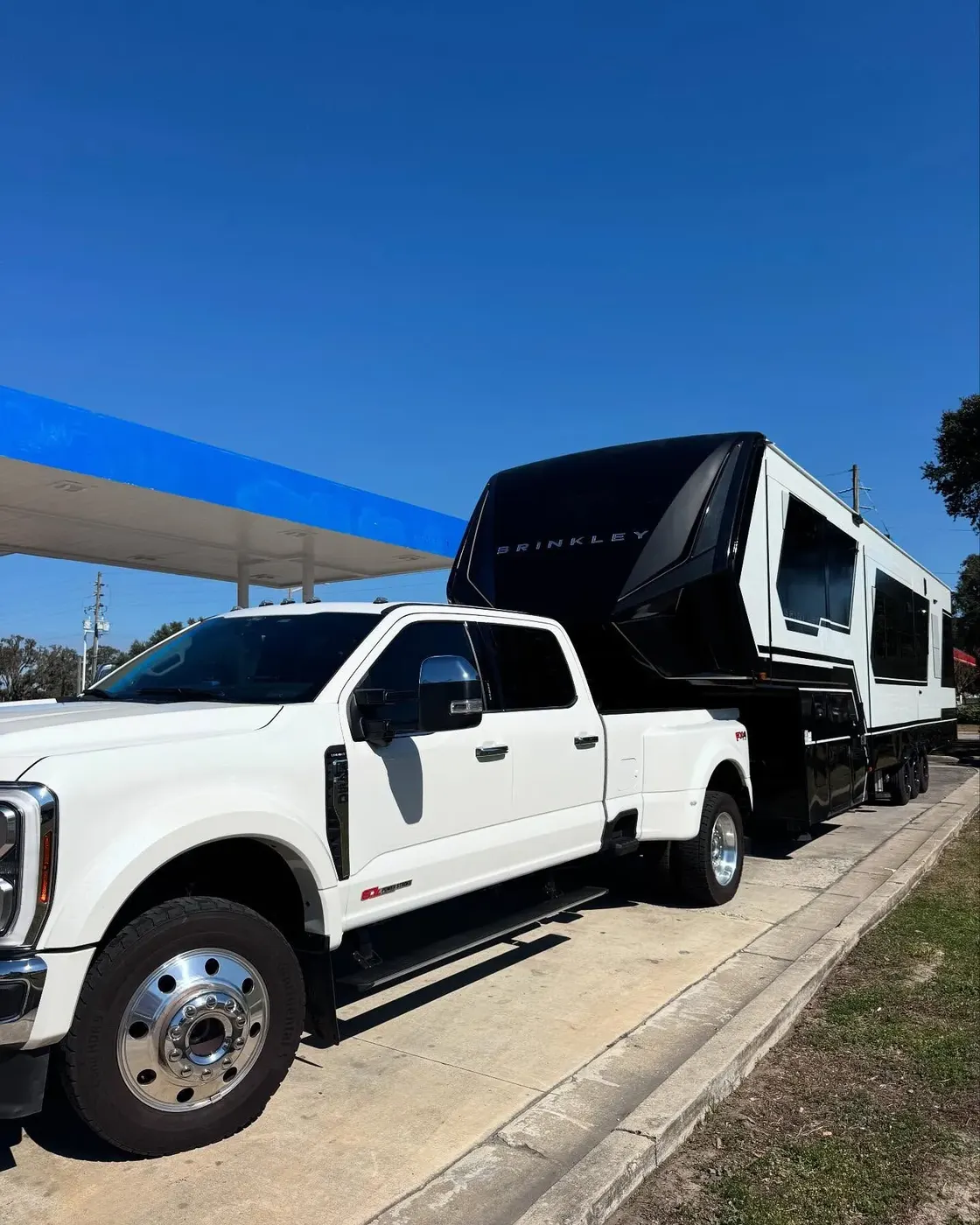
Warning Signs
A trailer that sits unevenly may have a spring, equalizer, loading, axle, or related suspension concern that needs inspection.
Cracked leaves, separation, flattening, or visible distortion can signal a spring that is damaged or no longer carrying the load correctly.
Elongated holes, looseness, wear, or failed greaseable hardware can allow movement and accelerate damage in connected components.
Uneven or accelerated tire wear may involve inflation, loading, wheel, axle, alignment, or suspension conditions. It deserves a broader inspection.
Excessive movement can come from more than one source, including suspension and pin-box components. Fitment and condition both matter.
Hangers, equalizers, fasteners, crossmembers, and axle attachment points should remain secure and appropriate for the installed system.
Inspect Before Selecting Parts
Repair addresses a worn, loose, bent, broken, or failed condition. Work may include leaf-spring replacement, axle service or replacement, wheel-bearing work, and suspension-component replacement.
Upgrade changes the approved suspension or pin-box configuration. Available categories include MORryde equalizers, crossmembers, heavy-duty shackles and wet bolts, RoadMaster Comfort Ride systems, Lippert CenterPoint, leaf springs, axles, rubber pin boxes, and GooseTech couplers.
An inspection helps separate the immediate repair from optional upgrade goals so fitment, safety, and parts planning stay clear.
Related Service
Common Questions
Uneven ride height, a broken or flattened leaf spring, worn shackles, wet bolts or equalizers, loose suspension movement, unusual tire wear, harsh bouncing, or chucking can indicate a suspension problem. A hands-on inspection is the best way to identify the cause.
No. A repair corrects a worn, damaged, loose, or failed condition. An upgrade changes the system or components to provide an approved configuration for ride quality, durability, or towing behavior. Existing problems should be identified before selecting an upgrade.
Depending on the trailer, an inspection may include leaf springs, shackles, wet bolts, equalizers, hangers, related fasteners, axles, visible alignment concerns, and tire-wear patterns.
No. U-bolt torque must follow the axle, manufacturer, and kit-specific requirements for the installed application. A single universal value should not be assumed.
Tell us about your trailer, what you are experiencing, and where it is safely parked. We will help identify the right next step.